
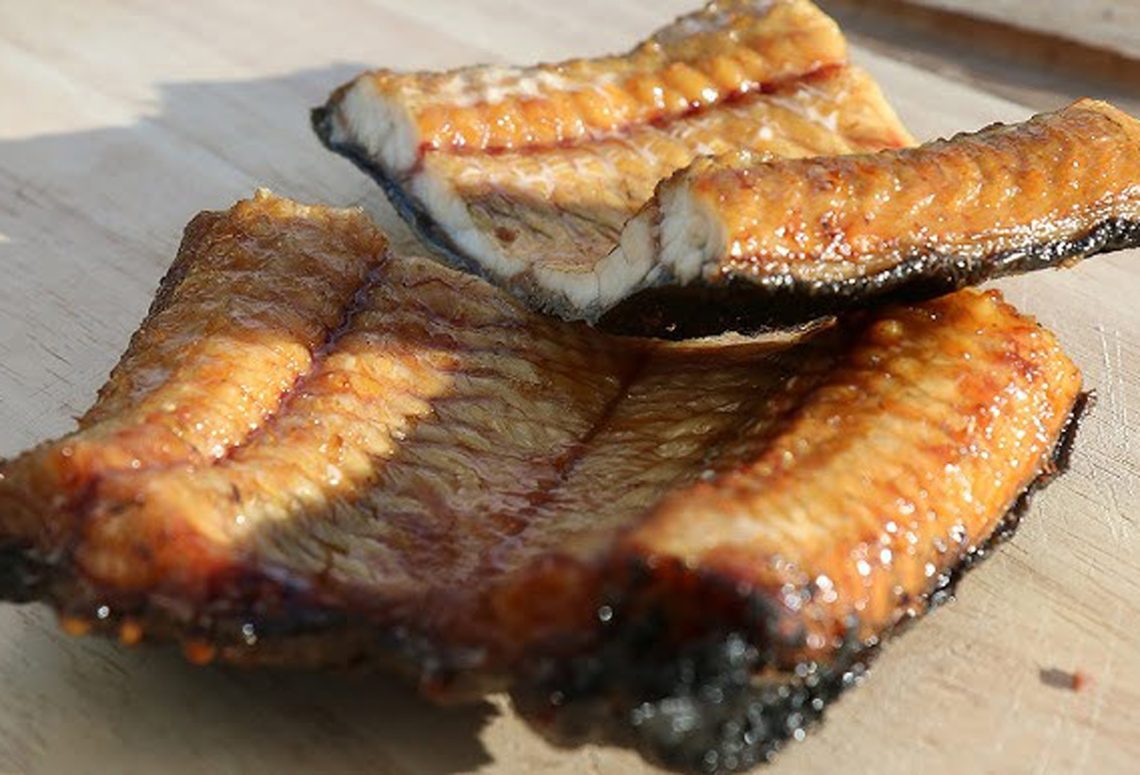
Smoked eel is a delicacy with deep historical roots, appreciated in cuisines across the globe. From Dutch street food stalls to high-end Japanese restaurants, its rich flavour and satisfying texture have secured its place as a prized ingredient. This guide will walk you through the essentials of smoked eel, from sourcing and preparation to serving ideas and health benefits, helping you to appreciate this distinctive dish.
Sourcing and Preparation
Finding high-quality eel is the first step. Look for suppliers who prioritise sustainability, as many eel populations are under threat. Specialist fishmongers, delicatessens, and reputable online stores are your best bet for sourcing responsibly farmed or caught eel. When buying, check that the fish is firm and has a fresh, clean scent.
The smoking process is what transforms the eel. Traditionally, it is first brined in a saltwater solution, which seasons the fish and helps to preserve it. Afterwards, it is hot-smoked, typically over hardwoods like alder or oak. This method cooks the eel while infusing it with a deep, smoky aroma, resulting in a product that is ready to eat straight from the package.
Flavour Profile
Smoked eel has a rich, savoury flavour that is quite different from other smoked fish. The taste is often described as a combination of smokiness and a subtle, natural sweetness from the eel itself. The texture is firm, oily, and satisfyingly dense, almost melting in the mouth. Several factors can influence the final taste, including the type of wood used for smoking, the duration of the process, and the fat content of the eel, which varies by season.
Serving Suggestions
The culinary applications for smoked eel are broad. One of the simplest ways to enjoy it is on its own or with a slice of good-quality bread, like dark rye, which complements its richness. A squeeze of lemon and a sprinkle of black pepper can cut through the oiliness.
For more elaborate dishes, you can incorporate it into salads, pasta, or omelettes. In the Netherlands, a popular dish is broodje paling, a soft white bun filled with smoked eel and a drizzle of lemon juice. It also pairs well with creamy or acidic ingredients. Consider serving it with a horseradish cream, a light potato salad, or pickled vegetables to balance its bold character. When thinking about drink pairings, a crisp white wine like a Sauvignon Blanc or a dry cider can work well.
Health Benefits
Beyond its distinctive taste, eel stands out as a remarkably nutritious food. It is well-regarded as an excellent source of omega-3 fatty acids, essential compounds known for their significant role in maintaining optimal heart health and supporting cognitive function. These vital fatty acids contribute to overall well-being, helping to support the body’s fundamental systems. Furthermore, eel is richly packed with key fat-soluble vitamins, including A, D, and E, all crucial for various bodily functions from vision to immune support, alongside a substantial amount of protein, which is fundamental for muscle repair and growth. The very characteristic high oil content that contributes to its appealing texture is also the vehicle for delivering these concentrated beneficial nutrients, making each bite not just flavourful but also highly nourishing. Given its inherent richness and dense nutritional profile, eel is ideally incorporated into your diet with thoughtful moderation, ensuring it complements a broader balanced eating plan rather than overwhelming it. This approach allows you to fully appreciate its unique benefits without overindulgence.
Explore a Culinary Classic
Smoked eel offers a satisfying and flavourful experience that connects modern dining with long-standing culinary traditions. Its rich taste, firm texture, and impressive versatility make it a rewarding ingredient to explore in your own kitchen. Whether you choose to enjoy it in the simplest way, with a piece of good bread, or decide to incorporate it as the star of a more elaborate meal, smoked eel is a classic delicacy worth discovering. Trying it for yourself is the best way to understand why it has remained a cherished part of many culinary cultures for centuries.