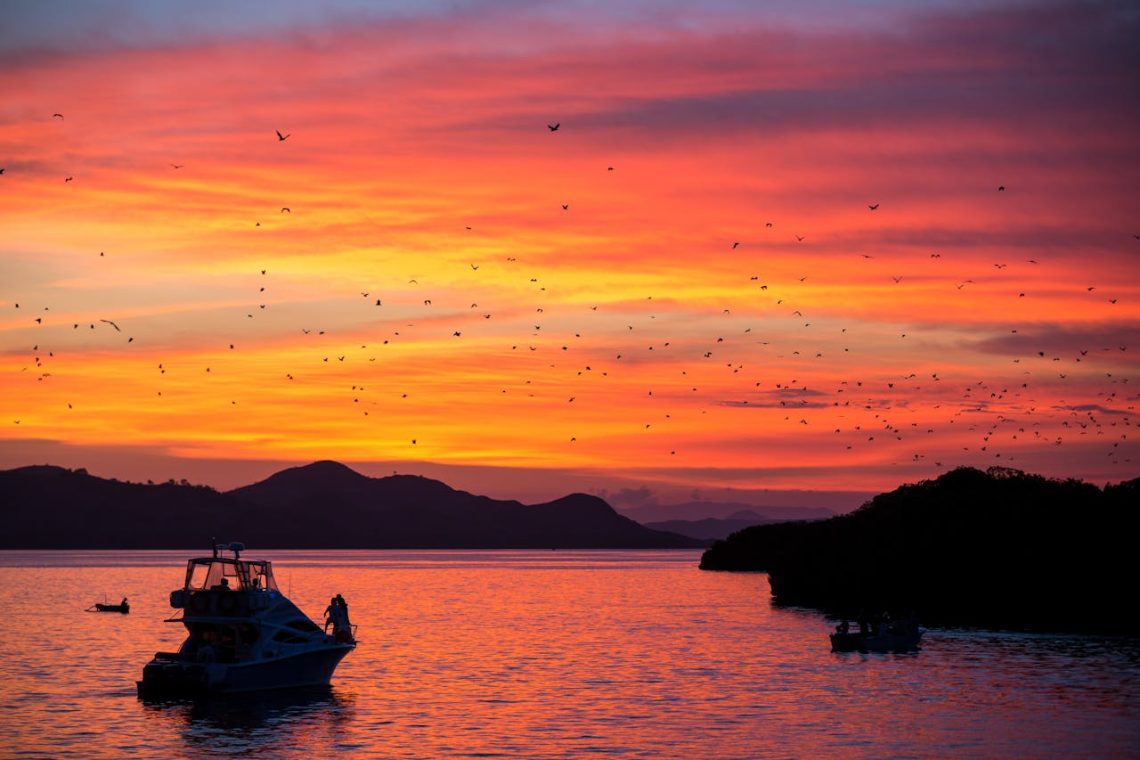
Off the coast of Sabah, Borneo, lies a group of small islands that serve as one of the world’s most vital nesting sites for green and hawksbill turtles. Known collectively as Turtle Island Park, this area offers a sanctuary where these ancient marine creatures can lay their eggs in a protected environment. For travellers and nature enthusiasts, it presents an opportunity to witness this process and understand the importance of marine conservation.
The History of Turtle Island
The name “Turtle Island” is not just a label but a direct reflection of its function. For centuries, these islands have been a primary nesting ground for sea turtles. Recognising the area’s ecological importance, the Malaysian government gazetted three of these islands—Selingan, Bakungan Kecil, and Gulisan—as a marine park in 1977. This step was crucial for protecting the turtles from poaching and habitat destruction, solidifying the islands’ role as a conservation hub. The park now stands as a testament to long-term preservation efforts, managed jointly by Malaysia and the neighbouring Philippines.
Location and Biodiversity
Turtle Island Borneo is located in the Sulu Sea, about 40 kilometres north of Sandakan in Sabah, Malaysian Borneo. The park’s ecosystem extends beyond its famous reptilian visitors. The waters surrounding the islands are rich with marine life, including various species of coral, fish, and invertebrates. On land, the islands are covered with coastal vegetation that provides shelter for a range of bird species. This biodiversity makes the park a significant area for ecological research and conservation, highlighting the interconnectedness of marine and terrestrial life.
Conservation in Action
The conservation work on Turtle Island is a year-round commitment. Park rangers and researchers work diligently to protect the turtle populations. When a female turtle comes ashore to nest, usually at night, the rangers carefully collect her eggs and transfer them to a protected hatchery. This action shields the eggs from natural predators like monitor lizards and birds, as well as from the risk of being disturbed by other nesting turtles. Once the eggs hatch, the baby turtles are released into the sea, giving them a better chance of survival. This hands-on approach has been fundamental to maintaining healthy turtle populations in the region.
Visiting Turtle Island Responsibly
Visiting the island is a special experience, and it comes with the responsibility to act as a considerate guest. Access is limited to Selingan Island, where a small number of visitors can stay overnight to witness the turtles nesting. When you visit, follow the guidance of the park rangers at all times. This includes staying quiet, avoiding the use of flash photography, and keeping a respectful distance from the turtles. These rules are in place to minimise disturbance to the animals. By adhering to them, you contribute directly to the conservation efforts and help preserve this natural wonder for future generations.
Preserving a Natural Legacy
Turtle Island is far more than just a destination for visitors; it stands as a critical sanctuary for endangered sea turtles, playing an indispensable role in their global survival. It serves as a vital refuge where these vulnerable creatures can find protection from the numerous threats they face in the wider ocean. The comprehensive conservation programmes implemented here offer a compelling and successful model of how dedicated human intervention, such as the diligent efforts of park rangers in protecting eggs and hatchlings, can directly and positively support wildlife preservation.
Indeed, visiting this unique location provides a powerful and immediate reminder of the delicate balance within our planet’s ecosystems. It underscores the profound responsibility we all share in protecting these natural wonders. By engaging with these conservation efforts, even as a mindful visitor, you contribute directly to the safeguarding of these ancient mariners. The meticulous work undertaken on these shores directly supports the survival of these magnificent creatures, enabling them to continue their age-old journey of nesting and reproduction, which is fundamental to maintaining healthy marine biodiversity for generations to come.