Farnham is a town with a distinct character, where Georgian architecture meets modern living. For homeowners here, the decision to extend often comes down to a simple calculation: is it better to move to a larger property or improve the one you already have? With property prices in Surrey remaining high and the transaction costs of moving—such as stamp duty and estate agent fees—adding up quickly, extending is frequently the more logical financial choice.
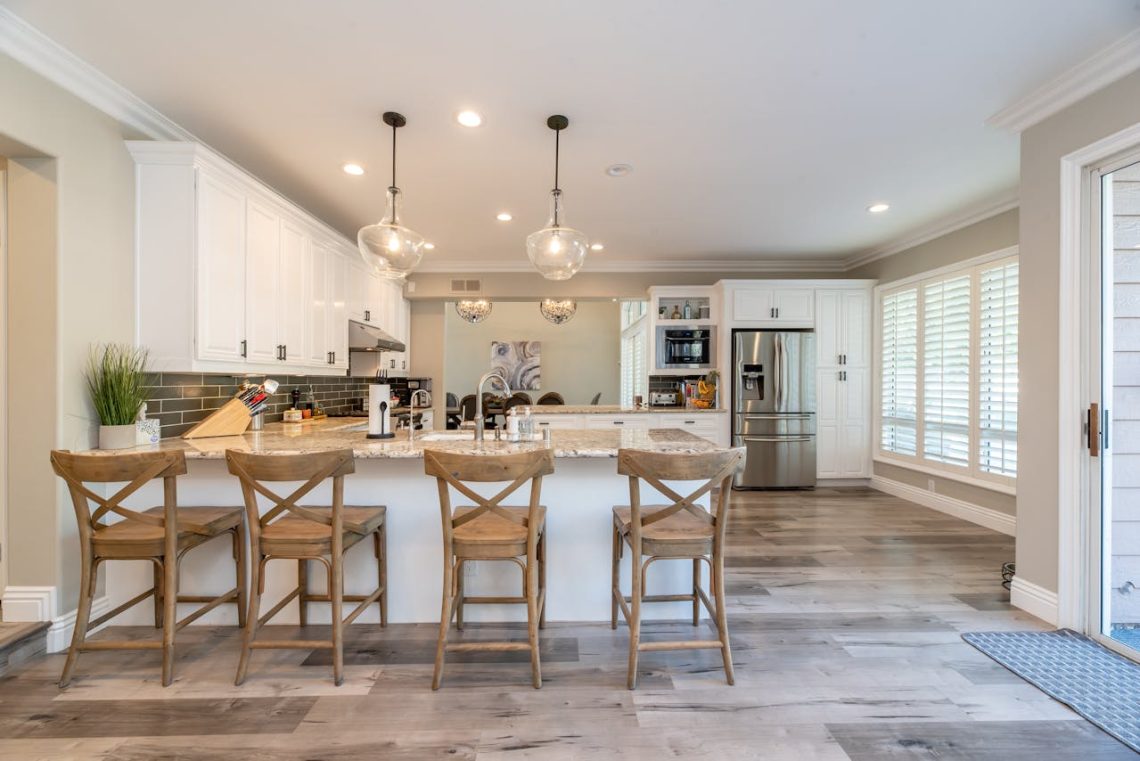
Beyond the finances, extending your home allows you to adapt your living space to your current needs without uprooting your life. You might need a larger kitchen for family gatherings, a dedicated home office, or an extra bedroom for a growing family. An extension provides the square footage to make these changes happen, adding value to your property and improving your daily quality of life.
Planning Your House Extension
Before any bricks are laid, you need to address the regulatory requirements. Farnham falls under the jurisdiction of Waverley Borough Council, and understanding their specific planning policies is critical. Not all extensions require full planning permission. Some projects fall under “Permitted Development Rights,” which allow for certain improvements without a full application. However, these rights have strict limitations regarding height, proximity to boundaries, and the percentage of land covered.
If you want to add more space to your home, go to Google and search for “house extension Farnham” to find the best local builders.
If your home is a listed building or located within a conservation area—of which Farnham has several—the rules are significantly stricter. You will likely need Listed Building Consent or special permissions that respect the historical context of the area. Ignorance of these rules can lead to enforcement action, so it is essential to consult with the local planning authority or a professional architect early in the process. They can tell you if your proposed design complies with local guidelines or if you need to adjust your plans.
Building regulations are a separate but equally important consideration. These regulations cover structural integrity, fire safety, insulation, and ventilation. Even if you do not need planning permission, you will almost certainly need building regulations approval to verify that the new structure is safe and energy-efficient.
Design Considerations
A successful extension should look like a natural part of the house, rather than an awkward add-on. In a town like Farnham, where aesthetic appeal is a key part of property value, design continuity matters. You need to consider how the new structure will blend with existing materials. If your home is red brick, using a mismatching brick or a jarringly modern cladding might detract from the overall look.
This doesn’t mean you can’t use modern design elements. Glass links or contemporary extensions on older homes can work effectively if handled with care. The goal is to create a visual relationship between the old and the new. Roof lines should ideally match or complement the existing roof, and window styles should echo the proportions of the original house.
Interior flow is just as important as exterior appearance. An extension should improve the circulation of the house. Avoid creating dark inner rooms by thinking about where natural light will come from. Skylights, bi-fold doors, or strategically placed windows can keep the new space bright and inviting.
Start Your Extension Project
Extending your home is a significant undertaking, but the rewards are substantial. You gain the extra space you need, increase the market value of your asset, and avoid the stress of moving house. By planning carefully, respecting local design aesthetics, and hiring the right professionals, you can create a home that serves your needs for years to come. Now is the time to take the first step—contact a local architect or builder to discuss the feasibility of your ideas.