
If you are considering a career as a heavy goods vehicle (HGV) driver, finding the right training is the first important step. Hampshire offers a strategic location for this career path, with its excellent transport links and thriving logistics industry. This guide provides a clear overview of HGV training Hampshire, from understanding the different licences to passing your final test.
Types of HGV Licences
Before you begin your training, you need to understand the different HGV licence categories. Each one permits you to drive specific types of vehicles.
- Category C1: This licence allows you to drive vehicles between 3,500kg and 7,500kg. This is often the starting point for those wanting to drive delivery vans or smaller lorries.
- Category C: Known as a ‘Class 2’ licence, this category permits you to drive rigid vehicles over 3,250kg. It covers most standard HGVs without a separate trailer.
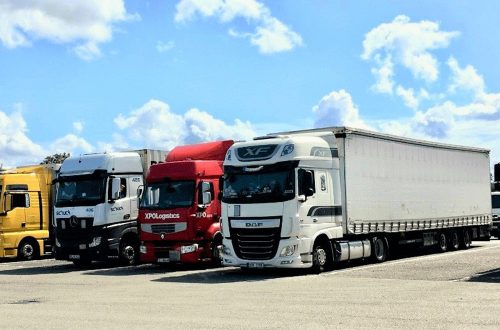
- Category C+E: This is the most comprehensive licence, often called ‘Class 1’. It allows you to drive vehicles with a detachable trailer, such as articulated lorries. Holding this licence opens up the widest range of driving opportunities.
Choosing the Right Training Programme
Selecting a suitable training provider in Hampshire requires careful consideration of a few key factors. Look for programmes with accreditation from recognised industry bodies. This certification shows that the provider meets high standards for training quality and safety. Examine the course content to see if it covers all aspects of the HGV driving syllabus, including theory and practical skills. Finally, consider the experience of the instructors. Experienced instructors who have worked in the industry can offer practical insights that go beyond the textbook.
The HGV Training Process
The journey to becoming a qualified HGV driver involves several stages. First, you must pass a medical assessment to confirm you are fit to drive a large vehicle. Following this, you will need to prepare for and pass the HGV theory tests. These tests cover multiple-choice questions, hazard perception, and case studies (CPC Part 2). Once the theory is complete, your practical training begins. This involves in-cab instruction, where you will learn to handle the vehicle safely on public roads. Your training culminates in the practical driving test (CPC Part 4), which assesses your driving ability and vehicle safety knowledge.
Benefits of Becoming an HGV Driver
A career as an HGV driver offers stability and opportunity. The demand for qualified drivers remains high across the UK, providing good job security. The earning potential is also attractive, with experienced drivers commanding competitive salaries. Furthermore, there is clear potential for career growth. You can progress from driving smaller rigid vehicles to handling larger articulated lorries, or move into specialised areas like transporting hazardous materials.
Tips for Passing Your HGV Test
Success in your HGV test comes down to preparation. For the theory part, use official revision materials and practice tests to familiarise yourself with the format and question types. During your practical training, listen carefully to your instructor and aim for consistency in your driving. Practice manoeuvres until they become second nature. On the day of your test, remain calm and focus on applying the skills you have learned. A confident and safe approach will make a positive impression on the examiner.
Start Your HGV Career in Hampshire
Becoming a qualified HGV driver is an achievable goal that can lead to a rewarding career. By understanding the licences, choosing a quality training provider, and preparing thoroughly for the tests, you can set yourself on the path to success. Hampshire provides a strong foundation for your training and future employment in the logistics sector. Your next step is to research local providers and begin your journey.